


Preparing Your Car for Summer Road Trips from Everett: A PNW Guide
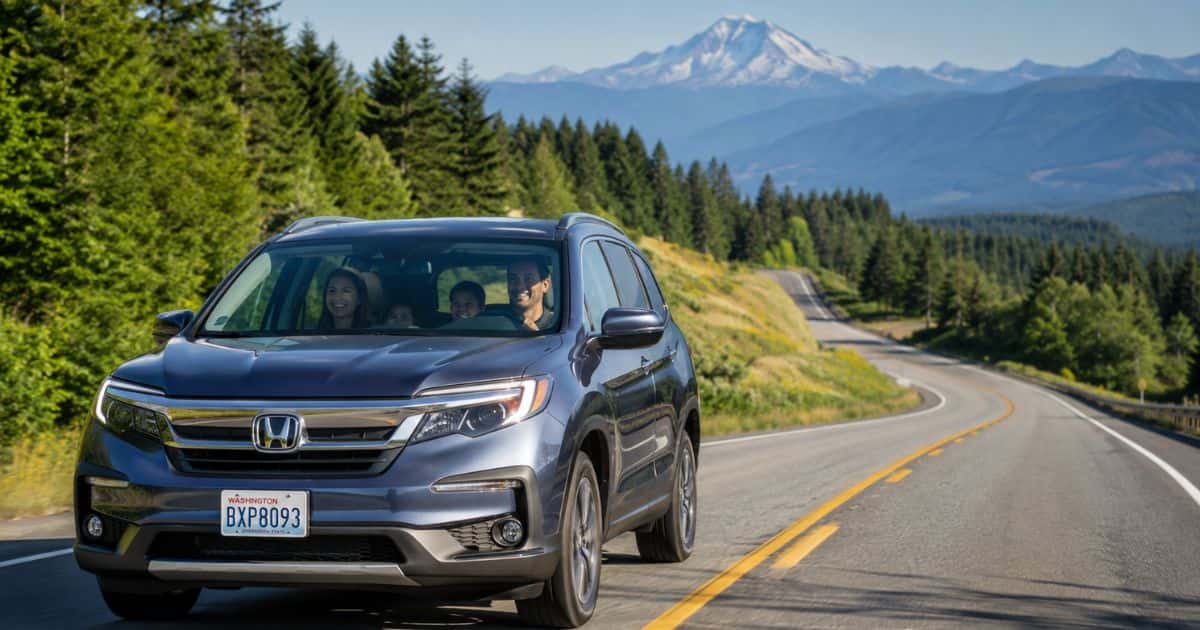
PNW Road Trip Prep Focus
Everett road trips can mean fog, wildfire smoke, mountain passes, steep descents, remote roads, and summer heat — sometimes in the same weekend.
This guide keeps the focus on practical Pacific Northwest vehicle prep: tires, fluids, brakes, battery health, belts, hoses, AC, visibility, emergency gear, route planning, and knowing when an upgrade makes more sense than repairs.
Why Summer Road Trip Prep Looks Different in the Pacific Northwest
Most generic road trip checklists are written for dry, level highways. PNW road trips are a completely different story. We might leave Everett under overcast skies, climb through mountain passes, descend into high desert, and return through coastal fog all in the same weekend. That kind of variety puts genuine stress on a vehicle.
Summer driving safety out here isn’t just about heat management. It’s about handling wet coastal roads, managing long Cascade descents, and navigating stretches where cell service vanishes and the nearest shop is 40 miles away. Car maintenance before a road trip needs to account for all of these scenarios, not just the sunny-day version of the drive.
Tires: The Foundation of Any Safe PNW Road Trip
No single component affects safety more than tires. They’re the only part of the car that actually touches the road, and on PNW terrain, that contact point needs to be reliable.
Tread Depth, Pressure, and Sidewall Condition
Start with tread depth. Even in summer, Pacific Northwest roads can be wet and slippery, particularly on shaded mountain sections or after unexpected rain. Insert a quarter into the tread groove with Washington’s head pointing down. If you can see all of Washington’s head, your tread is dangerously shallow for wet conditions and the tire should be replaced. Don’t forget the spare.
Tire pressure matters more than most drivers realize. Long highway stretches in summer heat can increase pressure and raise blowout risk. Check your driver’s door placard or owner’s manual for the correct PSI, and always measure when tires are cold.
Inspect sidewalls too. Look for cuts, gouges, bulges, punctures, cracks, and uneven wear. Sidewall damage that looks minor can fail suddenly at highway speeds.
When to Replace Before You Leave Everett
Tire age matters even when tread looks fine. Rubber compounds degrade over time, losing flexibility and grip. Tires more than five to six years old should be evaluated before heading into the mountains, regardless of remaining tread.
Replacing tires before a trip is far less expensive than a blowout near Stevens Pass. Schedule that appointment at least a week before departure.
Not Sure Your Current Vehicle Is Ready for the Mountains?
If basic road trip prep is turning into a growing repair list, CarHop of Everett can help you compare dependable used vehicles and financing options built around real budgets.
Fluids That Keep Your Engine Running Through Heat and Miles
Heat and extended mileage accelerate how quickly fluids break down. Getting the car ready for a road trip means checking every reservoir under the hood.
Engine Oil and Coolant: Your Summer Priority Checks
Engine oil is the engine’s primary protection against friction and heat. Check both level and condition on the dipstick. Fresh oil is amber-colored and translucent. Dark or gritty oil needs changing before departure. If you’re approaching the next oil change interval, handle it now.
Coolant deserves equal attention. Low or degraded coolant can lead to overheating, which is both expensive to repair and genuinely dangerous on a mountain pass. Check the reservoir level and look at the fluid’s color. Rusty or cloudy? A flush is worth doing before heading out.
Brake Fluid, Transmission, and Washer Fluid
Brake fluid absorbs moisture over time, which lowers its boiling point. On long mountain descents, brakes generate serious heat, and degraded brake fluid can boil and cause a sudden loss of braking force. If the fluid looks dark or cloudy, have it replaced.
Transmission fluid supports smooth gear changes on long drives. Newer models may lack a dipstick, so if yours is a sealed transmission, a professional check is the only way to verify fluid condition.
Windshield washer fluid sounds minor until you’re stuck behind a logging truck on a dusty Eastern Washington highway. Top it off with a summer formula before leaving Everett.
Brakes, Battery, and Under-the-Hood Essentials
Brake Inspection for Mountain Passes and Long Descents
Routes like the North Cascades Highway (SR-20) involve extended descents where brakes work significantly harder than in city driving. Worn pads and rotors reduce stopping power precisely when it’s needed most. Listen for squealing, grinding, or pulsating during normal braking. Any of those sounds means a brake checkup before the road trip.
Battery Health and Belt and Hose Inspection
Heat is actually harder on car batteries than cold. Use a voltmeter to check the charge, and carry jumper cables since remote PNW locations can leave you waiting a long time for help. Temperature swings between coastal and inland or mountain areas add another layer of strain. If the battery is three or more years old, have it load-tested before a long trip.
Serpentine belts typically last 60,000 to 100,000 miles under ideal circumstances. The serpentine belt drives the alternator, power steering pump, and AC compressor. If it snaps mid-trip, all of those systems go with it. Look for fraying, cracking, or glazing. Coolant hoses should feel firm, with no soft spots or cracks near the clamps.
Pre-Road Trip Vehicle Inspection: DIY vs. Professional Check
Some checks are straightforward to handle in the driveway. Others require equipment or expertise that most drivers simply don’t have. Here’s how to think about the split:
| Check Type | Cost | Time Required | Tools Needed | What It Covers | Reliability | Recommended For |
|---|---|---|---|---|---|---|
| DIY Visual Inspection | Free | 30-60 min | Flashlight, rag, quarter | Fluid levels, tire tread/pressure, wiper blades, lights | Depends on experience | Routine pre-trip walk-around |
| DIY with Basic Tools | Low | 1-2 hrs | Voltmeter, tire gauge, dipstick | Battery charge, tire PSI, oil/fluid condition | Moderate | Drivers comfortable under the hood |
| Quick Lube/Oil Change Shop | Low-Moderate | 30-60 min | None | Oil, filters, basic fluid top-off | High for covered items | Pre-trip oil change and quick check |
| Full Professional Inspection | Moderate | 1-2 hrs | None | Brakes, belts, hoses, sealed transmission, battery load test | High | Pre-trip confidence, older vehicles |
| Dealer or Specialty Shop | Moderate-High | 1-3 hrs | None | Complete systems including diagnostics | Highest | Complex issues, newer vehicles under warranty |
If your vehicle is older, has high mileage, or has been flagging warning lights, a professional inspection before a long trip is the right call. If that inspection surfaces more problems than repairs make financial sense, our used vehicles under $15K are worth a look before summer fills up.
Air Conditioning and Visibility Systems
Driving through Eastern Washington in July can mean temperatures well above 90 degrees. At that point, a working AC system shifts from comfort feature to genuine safety equipment. Run it on maximum before your trip and check whether it cools down quickly and consistently.
If the cabin takes too long to cool or airflow feels weak, refrigerant may be low or the belt powering the compressor may need attention. A clogged cabin air filter restricts airflow and forces the whole system to work harder than it should.
Visibility systems matter just as much. Replace wiper blades that streak or skip, because summer rain bursts are a regular feature of PNW driving. Confirm that headlights, brake lights, turn signals, and hazard flashers are all working. Clean the windshield inside and out. Interior haze builds up gradually and reduces visibility significantly when you’re driving into afternoon sun.
What to Pack: Emergency Kit Essentials for PNW Road Trips
Even with thorough preparation, unexpected situations happen. Having an emergency kit keeps a minor inconvenience from becoming a crisis somewhere remote. Pack the following:
- ✓ Spare tire in good condition, with a working jack and lug wrench
- ✓ Jumper cables or a portable jump starter
- ✓ Fix-a-Flat or a small air compressor for remote routes where a spare swap isn’t practical
- ✓ Basic tool kit with screwdrivers and pliers
- ✓ Flashlight with fresh batteries
- ✓ First aid kit
- ✓ Reflective triangles or road flares
- ✓ Dust and smoke mask for wildfire smoke exposure, particularly east of the Cascades
- ✓ Mylar blanket for mountain cold snaps, which can arrive fast even in July
- ✓ Traction aids for late-season high-pass snow on routes like Stevens Pass or Snoqualmie Pass
- ✓ Water and non-perishable snacks for everyone in the vehicle
- ✓ Downloaded offline maps plus a printed copy of the primary route
Cell service disappears across significant stretches of PNW mountain and forest routes. Planning ahead for navigation and basic roadside situations changes how relaxed the drive actually feels.
PNW-Specific Route Tips
The Pacific Northwest offers some of the most rewarding road trip routes in the country from Everett, each with its own vehicle-prep considerations.
Olympic Peninsula Loop
The Olympic Peninsula loop via Highway 101 is scenic and slower-paced, with coastal fog a genuine visibility factor. Fuel stops can be sparse in the western reaches of the peninsula, so top off whenever the opportunity presents itself.
North Cascades Scenic Highway
The North Cascades Scenic Highway (SR-20) is breathtaking and involves tight turns, serious elevation gain, and long sections without services. Brakes, belts, and tires all bear greater load on this route than on a typical highway run.
Eastern Washington Wine Country
The Eastern Washington wine country route crosses the Cascades via Snoqualmie Pass and opens into genuine summer heat. AC performance matters here, and fuel planning is worth building into the itinerary given the distances between towns in parts of the region.
For any of these routes, check road closures and construction alerts through WSDOT before departure. Our fast financing approval process is available if your vehicle prep reveals the car simply isn’t up for the trip and an upgrade makes more sense than repairs.
Quick Pre-Trip Checklist
Before leaving Everett, run through these in order:
- ✓ Tires: tread depth, quarter test, pressure, sidewall condition, spare
- ✓ Fluids: engine oil, coolant, brake fluid, transmission fluid, power steering fluid, windshield washer fluid
- ✓ Brakes: listen for grinding or pulsing; inspect pads and rotors if in doubt
- ✓ Battery: voltmeter check, clean terminals, jumper cables packed
- ✓ Belts and hoses: inspect for fraying, cracking, soft spots, or glazing; verify belts as part of scheduled maintenance
- ✓ AC: cools quickly on max; belt and cabin filter inspected
- ✓ Visibility: wipers, headlights, brake lights, turn signals, hazard flashers
- ✓ Emergency kit: all PNW-specific items packed
- ✓ Route: offline maps downloaded, WSDOT alerts checked, fuel stops identified
Get Your Car Road-Trip Ready Before You Leave Everett
What to Do Before You Go
A systematic pre-trip check covers tires, fluids, brakes, battery, belts, visibility systems, and emergency gear. Going through each item takes a couple of hours and prevents breakdowns that derail trips and strain budgets.
When a Vehicle Upgrade Makes More Sense
If your current vehicle leaves you uncertain about handling a long summer drive, or reliability concerns have been building for a while, it may be time for a more dependable option. Vehicles at CarHop of Everett go through inspection before they reach the lot, giving buyers real peace of mind heading into the mountains.
Ready to Take the Next Step?
Whether you’re prepping the car you have or ready to find one you can count on, we’re here to help. Contact CarHop of Everett and let’s get you rolling before summer slips by.
Frequently Asked Questions About Preparing Your Car for Summer Road Trips from Everett
Why is summer road trip prep different in the Pacific Northwest?
PNW road trips can include overcast starts in Everett, mountain passes, high desert heat, coastal fog, wildfire smoke, steep descents, and remote stretches with limited cell service, so prep needs to cover more than heat alone.
What should I check on my tires before leaving Everett?
Check tread depth with the quarter test, confirm tire pressure when tires are cold, inspect sidewalls for damage, check the spare, and have tires older than five to six years evaluated before mountain driving.
Why are brakes so important for PNW road trips?
Routes like the North Cascades Highway involve long descents where brakes work harder than in city driving. Worn pads, rotors, or degraded brake fluid can reduce stopping power when you need it most.
What should I pack in a PNW road trip emergency kit?
Pack a good spare tire, jack, lug wrench, jumper cables or a portable jump starter, Fix-a-Flat or small air compressor, basic tools, flashlight, first aid kit, reflective triangles or flares, smoke mask, Mylar blanket, traction aids, water, snacks, offline maps, and a printed route copy.
When does a vehicle upgrade make more sense than repairs?
If a professional inspection reveals major repairs, your vehicle has high mileage, warning lights keep appearing, or you feel uncertain about long summer drives, a more dependable vehicle may make more sense than continuing to repair the same issues.
Need a vehicle you can trust for summer travel?
Browse CarHop of Everett’s used vehicle inventory or start fast approval before your next Pacific Northwest road trip.
0 comment(s) so far on Preparing Your Car for Summer Road Trips from Everett: A PNW Guide