


Spring Car Care Checklist for Everett Drivers: From Rain to Shine
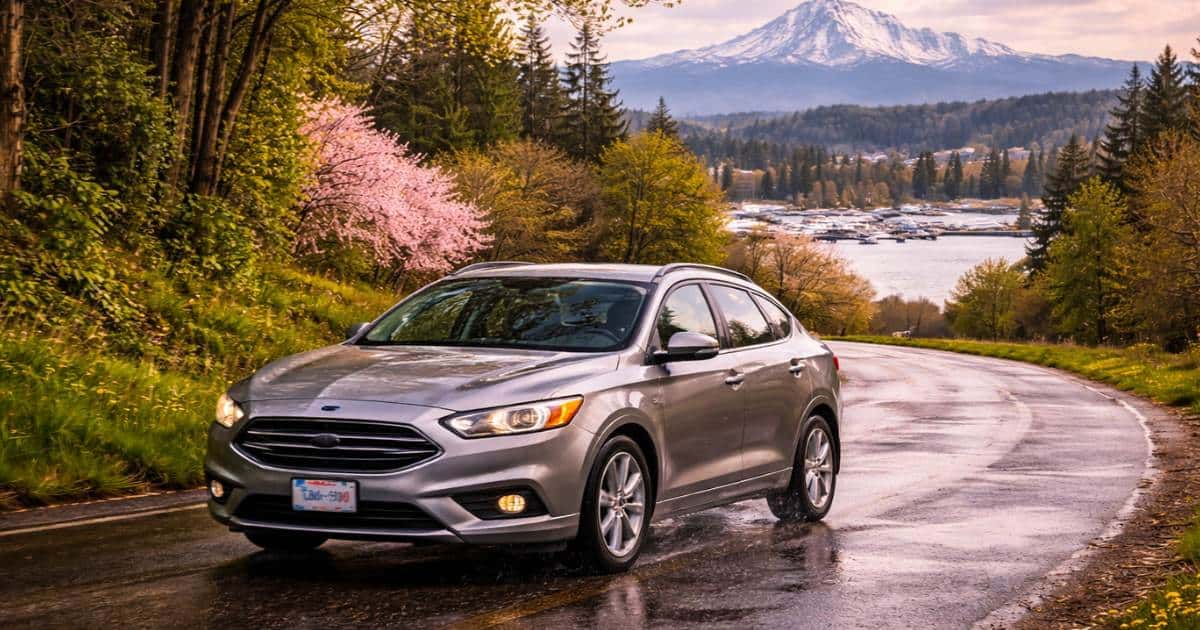
Your car just survived months of relentless Northwest rain, road salt, and foggy mornings. Now that spring brings longer days and drier roads, your vehicle needs attention to shake off winter’s toll and perform safely through the changing season. For Everett drivers, this transition isn’t just about looks. It’s about addressing the specific wear patterns our wet climate creates.
Why Spring Car Maintenance Matters in Everett’s Wet Climate
Spring maintenance for Everett drivers looks different than care in drier climates. Our extended rainy season creates unique challenges. Moisture gets into brake systems, speeds up rust formation, and wears down visibility components. The constant dampness puts stress on protective systems while road debris from winter storms builds up in wheel wells and undercarriages.
Regular maintenance stops small problems from turning into costly repairs. That squeaking brake might mean rust buildup from months of wet driving. A slight pull to the left could signal alignment issues from hitting potholes. Taking care of these now saves you money and keeps you safer as temperatures warm up and road conditions improve.
Temperature swings between cool nights and warmer days affect everything from tire pressure to fluid performance. For Everett commuters who rely on their vehicles every day, staying ahead of these changes means avoiding breakdowns during busy spring months. If larger repairs suggest it may be time for something more dependable, you can browse our used vehicle inventory in Everett to explore practical options.
Visibility Essentials: Wipers, Lights, and Defoggers
Clear visibility separates safe driving from dangerous guesswork. After months of battling Pacific Northwest rain, your visibility systems need a thorough check. These parts work harder here than in many other places, and spring is the perfect time to refresh them.
Replacing Worn Wiper Blades After Rain Season
Your wiper blades likely took a beating this winter. Months of clearing rain, occasional snow, and road grime can leave the rubber brittle and torn. Look for splitting, hardening, or uneven edges that streak the windshield. If the blades are cracked, frayed, or no longer clearing water properly, replace them right away.
The cost of new blades is small compared to the risk of poor visibility during a surprise spring shower. It also helps to clean the windshield thoroughly using glass cleaner and a microfiber cloth, since built-up grime can reduce performance even with fresh blades.
Checking Headlights, Taillights, and Turn Signals
Working lights keep you visible to other drivers and help light the road ahead. Test every light on the vehicle, including low and high beams, taillights, brake lights, turn signals, and reverse lights. Moisture can corrode bulb connections or cause housings to fog from the inside.
If your headlight lenses look cloudy or yellowed, clean or restore them. Oxidation can significantly cut light output and make nighttime driving less safe.
Cleaning and Treating Windows for Clarity
Clean windows inside and out for a major visibility boost. Interior condensation during wet months often leaves behind a film that becomes far more noticeable in bright spring sunlight. Use an ammonia-free glass cleaner to avoid damaging tint or nearby surfaces.
You may also want to apply a water-repellent treatment to exterior glass. Products like these help rain bead up and roll off more quickly, which can be especially helpful on side mirrors and rear windows. While you’re at it, check the defroster vents and clear out any debris that may block airflow.
Tire Safety for Everett’s Wet and Changing Road Conditions
Tires are your only contact point with the wet roads that define Everett driving. Spring brings changing conditions, from lingering puddles to longer dry stretches, so it is important to make sure your tires are ready for both.
Inspecting Tread Depth and Wear Patterns
Healthy tread depth helps prevent hydroplaning on wet roads. A quick penny test can tell you whether a tire is near the legal minimum, but for wet-weather driving, many drivers prefer to replace tires before they get that low. Look closely for uneven wear too, since that can point to alignment or suspension issues developed during the winter months.
Rotate the tires according to your manufacturer’s recommended schedule, and check for cuts, bulges, or embedded debris. If your current tires or vehicle are becoming a concern, it may help to review the used vehicles available at CarHop of Everett.
Adjusting Tire Pressure for Spring Temperatures
Temperature changes affect tire pressure more than many people realize. As Everett moves from cooler mornings to warmer afternoons, tire pressure can rise and fall enough to impact handling and fuel economy. Check the pressure when the tires are cold and set it according to the sticker inside the driver’s door jamb, not the maximum number listed on the sidewall.
Properly inflated tires help improve traction on wet roads, reduce uneven wear, and support better efficiency through the season.
Brake System Inspection After Months of Wet Driving
Your brakes work especially hard in wet conditions, and Everett’s long rainy season puts extra stress on these critical safety components. Moisture can speed up brake pad wear and create surface rust on rotors, both of which reduce stopping performance when you need it most.
Listen for squealing, grinding, or unusual sounds when braking. Feel for vibrations through the pedal or any pulling to one side. Those are all warning signs that deserve prompt attention. Also check brake fluid level and condition. If the fluid looks dark or contaminated, or if the pedal feels soft or spongy, it is time for professional service.
If the cost of mounting repairs starts to outweigh the value of your current vehicle, CarHop of Everett can help you explore dependable alternatives that better fit your budget and needs.
Preventing Mold, Mildew, and Moisture Damage Inside Your Vehicle
Everett’s damp climate does not just affect mechanical parts. Interior moisture can create the perfect conditions for mold and mildew, damaging upholstery and creating unpleasant smells or health concerns. Spring’s warmer temperatures can make those problems spread even faster if moisture stays trapped inside the cabin.
Cabin Air Filter Replacement
Your cabin air filter traps pollen, dust, and mold spores before they circulate through the passenger compartment. After months of damp conditions, it can become a breeding ground for bacteria and mildew. If you notice musty smells when running the heater or AC, replacing the cabin filter is a smart first step.
Interior Cleaning and Moisture Prevention Tips
Vacuum the interior thoroughly, especially around floor mats, under seats, and in storage pockets where moisture tends to collect. Remove and fully dry any mats that are still damp. Check carpeting for wet spots that may point to door seal leaks or clogged drains.
Wipe down interior surfaces, condition leather if applicable, and consider using moisture absorbers under the seats. On dry days, cracking the windows slightly can also help air circulation. If you notice mold already forming, address it immediately with products made specifically for that purpose.
Essential Fluid Checks for Optimal Spring Performance
Your car depends on several fluids to operate properly, and spring is an ideal time to inspect them before warmer temperatures increase stress on the system.
Start with engine oil. Check both the level and the color. Fresh oil typically looks amber, while dark or black oil may signal it is time for a change. Check coolant in the overflow reservoir when the engine is cold, and inspect power steering, transmission, and brake fluid as applicable for your vehicle. Top off windshield washer fluid too, because spring pollen and road dust often require frequent cleaning.
Your Spring Car Care Checklist: Quick Reference Guide
Use this list to keep your seasonal maintenance organized:
- Visibility: replace worn wiper blades, clean all windows, test lights, and consider a water-repellent treatment
- Tires: check tread depth, inspect wear patterns, adjust pressure, and rotate if needed
- Brakes: listen for unusual sounds, inspect fluid condition, and address pulling or vibration quickly
- Interior: replace the cabin air filter, deep clean surfaces, and remove trapped moisture
- Fluids: inspect oil, coolant, brake fluid, power steering fluid, transmission fluid, and washer fluid
If any of those steps feel beyond your comfort level, qualified technicians can help. And if you’re considering a more dependable daily driver, visit CarHop of Everett to learn more about local support, flexible financing, and used vehicle options.
Stay Ready for Everett’s Next Season
Spring maintenance may feel like a lot at first, but breaking it into smaller tasks makes the process manageable. Your car just made it through months of challenging Everett weather and deserves attention before summer arrives. By taking care of key items now, you can improve safety, fuel efficiency, and reliability while reducing the odds of surprise repairs later.
Whether you’re maintaining your current vehicle or thinking about a replacement, spring is the right time to act. Staying ahead of the season helps ensure your car is ready for everything from daily commuting to weekend drives across the Northwest.
FAQs
Why is spring car maintenance important in Everett, WA?
Everett’s wet climate creates unique wear on vehicles, especially around brakes, tires, wiper blades, glass, and interior moisture control. Spring maintenance helps you catch rust, visibility problems, and fluid issues before they lead to bigger repairs.
What should Everett drivers check first after the rainy season?
A good place to start is with visibility and safety items: wiper blades, windows, lights, tires, and brakes. From there, checking cabin moisture, air filters, and key fluids helps round out a strong spring maintenance routine.
Can wet weather really affect brake performance?
Yes. Months of damp driving can speed up rust formation on brake components and contribute to wear that affects stopping performance. If you hear squealing, grinding, or feel vibration while braking, it is worth getting the system inspected.
How do I prevent mold or mildew inside my vehicle in Everett?
Replace the cabin air filter when needed, remove moisture from floor mats and carpeting, clean interior surfaces thoroughly, and use moisture absorbers if necessary. On dry days, a little extra airflow can also help keep the cabin from staying damp.
Where can I find reliable used vehicles in Everett if repairs are adding up?
CarHop of Everett offers used vehicles and flexible financing options for local drivers who may be ready for a different solution. If repair costs are starting to climb, exploring dependable used inventory can be a practical next step.
0 comment(s) so far on Spring Car Care Checklist for Everett Drivers: From Rain to Shine