


Understanding Used Car Warranties and Service Options in Everett, WA
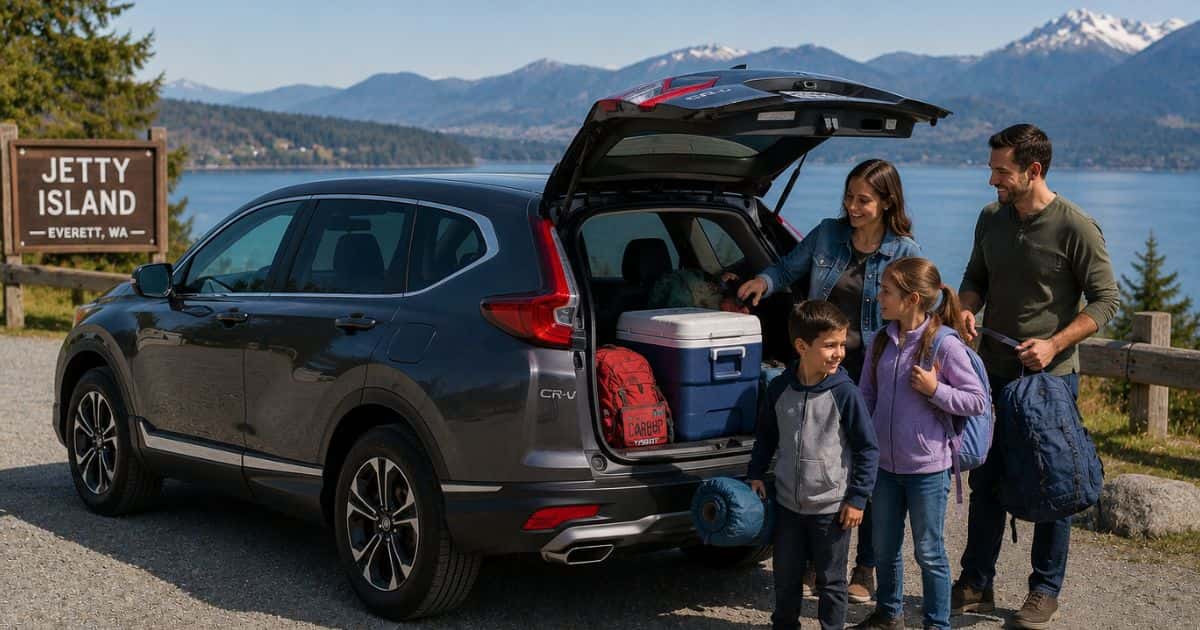
Warranty Confidence Focus
A used car warranty is only useful when you understand what it covers, what it excludes, and how to use it.
This guide walks through warranty types, Washington buyer protections, as-is sales, service contracts, Buyers Guide disclosures, deductible questions, and how CarHop of Everett supports buyers with transparent warranty conversations.
What Used Car Buyers in Everett, WA Should Know About Warranty Coverage
Warranty terms aren’t one-size-fits-all. Coverage on used cars can range from comprehensive multi-year protection to a narrow, component-specific agreement with significant gaps. What matters most is knowing exactly what you’re getting before you sign anything.
One of the biggest misconceptions buyers bring into dealerships is that all warranties are created equal. They’re not. Two cars parked side by side might come with entirely different levels of protection, and only one of those buyers will feel confident when a repair bill shows up six months later. A dealer who’s transparent about coverage, willing to answer questions, and upfront about exclusions is one you can trust.
Washington State’s Legal Baseline: Implied Warranty Protections
Washington State gives used car buyers a meaningful legal foundation, even when dealers don’t offer a written warranty. This foundation comes through implied warranty law, which exists independently of any documentation exchanged during the sale. Note that laws can change, and we encourage you to verify current protections with a qualified legal source.
What the Implied Warranty of Merchantability Covers
The implied warranty of merchantability, established under Washington’s RCW 62A.2-314, is one of the most vital consumer protections available to buyers. In plain terms, it means the car you buy should be fit for ordinary driving purposes, reasonably safe, free of major defects, and of the average quality of similar vehicles in the same price range.
This protection applies automatically when you purchase from a licensed dealer. You don’t negotiate for it, and it won’t appear on a sticker or in a brochure. Washington also recognizes a second implied warranty under RCW 62A.2-315, the Warranty of Fitness for a Particular Purpose, which applies when a buyer relies on the dealer’s expertise to provide a vehicle suited to a specific use.
Washington law also operates within the federal Magnuson-Moss Warranty Act, which prohibits sellers who offer a written warranty or who make a service contract on a product from disclaiming or modifying implied warranties. The Act also prohibits tie-in sales provisions that would condition warranty coverage on the buyer’s use of a particular brand of part or service, unless that item is provided free of charge.
When It Doesn’t Apply: Understanding As-Is Sales
The phrase “as-is” changes things considerably. An as-is sale disclaims implied warranties, meaning the buyer is on the hook for all post-purchase repairs. Under Washington law, this waiver is only valid when two conditions are both met: the consumer explicitly negotiates and agrees to the absence of an implied warranty, and the dealer provides a specific written statement of the particular characteristics or parts of the car that are not being warranted. A generic “As Is” sticker or a pre-printed waiver clause in a sales agreement is not sufficient on its own, and the burden of proof falls on the dealer to demonstrate that an effective waiver took place.
There are also two situations where the implied warranty of merchantability cannot be waived under any circumstances, even if the buyer signed a waiver. The first is when the dealer offers any written warranty with the vehicle. The second is when the buyer purchases an extended service contract from the dealer within 90 days of the sale. In either case, the buyer keeps the protection of the implied warranty regardless of any waiver language. Buying as-is isn’t always the wrong move, though.
For a low-mileage vehicle with a well-documented service history, or for a buyer with mechanical expertise who can independently assess a car’s condition, an as-is purchase at the right price can make real sense. The key is going in with eyes open rather than being caught off guard.
Shopping for a Used Car With More Peace of Mind?
CarHop of Everett helps buyers understand their financing, vehicle options, and warranty coverage before moving forward, so there are fewer surprises after purchase.
Types of Used Car Warranties Explained
Once you understand the legal baseline, it’s worth getting comfortable with the different warranty structures you’ll encounter. The differences are significant, and the right choice depends on how long you plan to own the vehicle, how many miles you expect to put on it, and how much financial risk you’re willing to carry. You can also browse our used vehicles to see what’s currently available at our lot.
Limited Warranties: What That Term Actually Means
A limited warranty doesn’t mean “barely a warranty.” It means coverage has defined boundaries, whether that’s specific components, a time limit, or a mileage cap. “Limited” is legal language describing scope, not a signal that coverage is weak. What makes a limited warranty work for you is understanding its precise terms before the deal closes.
Powertrain vs. Bumper-to-Bumper Coverage: Key Differences
A powertrain warranty covers the components most critical to your car’s function: the engine, transmission, and drivetrain. These are the high-cost, high-consequence parts that make warranty coverage most valuable.
Bumper-to-bumper coverage casts a wider net, including electrical components, interior features, and a broader range of parts. It’s more comprehensive but also considerably rarer on used vehicles. CPO (certified pre-owned) programs are one route to bumper-to-bumper-style coverage, though not all used vehicles qualify for CPO designation, so availability isn’t guaranteed on every pre-owned car.
Service Contracts: How They Differ from a Warranty
A service contract is often presented alongside a warranty, and the two are easy to confuse. The FTC draws an important distinction here: a warranty comes with the vehicle at no extra cost and covers defects, while a service contract is a separate agreement you purchase.
Clarify who administers and honors the contract, whether the dealer or a third party, since that affects the claims process and where you’d take the vehicle for repairs.
Coverage Comparison at a Glance
| Coverage Type | What’s Covered | Typical Duration | Who Administers It | Deductible Applies? | Best For |
|---|---|---|---|---|---|
| Limited Warranty | Named components, e.g., powertrain, major systems | Varies by dealer | Dealer | Often yes | Buyers wanting defined protection on key parts |
| Powertrain Warranty | Engine, transmission, driveline | Varies by dealer | Dealer or manufacturer | Often yes | Buyers prioritizing high-cost mechanical coverage |
| Bumper-to-Bumper | Most vehicle systems, electrical, interior | Manufacturer-defined | Manufacturer | Varies | Buyers seeking broad coverage, rare on used cars |
| CPO Program | Manufacturer-defined systems | Manufacturer-defined | Manufacturer | Varies | Buyers purchasing qualifying certified pre-owned vehicles |
| Service Contract | As specified in the contract | Defined in contract | Dealer or third party | Usually yes | Buyers wanting added protection beyond the base warranty |
The Federal Buyers Guide: What Every Used Car Should Display
Beyond Washington state protections, federal law adds another layer of disclosure. The FTC’s Used Car Rule, in effect since 1985, requires every licensed dealer in the United States to display a window sticker called the Buyers Guide on each used vehicle offered for sale.
The Buyers Guide tells you whether the car is being sold as-is or with a warranty, what percentage of repair costs the dealer will cover, which systems are covered, and whether a service contract is available. The information on the final Buyers Guide is incorporated into your sales contract and overrides any contrary terms in the sales paperwork.
Buyer tip: So if the Buyers Guide says the vehicle comes with a warranty but the contract you’re handed says “as-is,” the warranty terms in the Buyers Guide control. Always ask for a copy of the final Buyers Guide at the time of sale, and keep it with your records.
Reading the Fine Print: Deductibles, Exclusions, and Covered Repairs
Even a strong warranty has limits, and the fine print is where those limits live.
What’s Typically Covered vs. What’s Not
Most used car warranty agreements cover major mechanical failures, including engine and transmission components. What they exclude is equally worth knowing: routine maintenance like oil changes and brake pads, wear-and-tear items like tires and wiper blades, damage from accidents or misuse, and pre-existing conditions.
This is exactly why a pre-purchase inspection matters. Identifying issues before signing protects you from being told, after the fact, that a known problem isn’t covered.
How Deductibles Affect Your Out-of-Pocket Costs
A deductible is the amount you pay before the warranty kicks in on a repair. Some warranties charge per visit, so you pay once per service appointment regardless of how many issues are addressed.
Others charge per repair item, which can multiply your costs if several problems surface at once. Knowing which structure applies before you sign helps you plan accurately.
Questions to Ask Before You Sign: Reviewing Warranty Terms
Reviewing warranty terms isn’t just about reading the document. It’s about asking direct questions and getting direct answers. Before signing, ask:
- ✓ “Is this a dealer warranty or a third-party service contract?”
- ✓ “What components are specifically named as covered?”
- ✓ “Is there a deductible, and how much is it per claim?”
- ✓ “Does coverage transfer if I sell the vehicle?”
- ✓ “What documentation do I need to maintain to keep the warranty valid?”
- ✓ “What happens if a covered repair is needed — where do I take the vehicle?”
- ✓ “Are there any conditions, such as missed maintenance or use of non-approved shops, that could void the coverage?”
A dealer that welcomes these conversations is one that actually stands behind its vehicles.
How CarHop of Everett Approaches Used Car Warranty Protection
We take a transparent approach to warranty discussions because informed buyers make better long-term customers. Located at 8821 Evergreen Way in Everett, WA, we specialize in making vehicle ownership accessible to buyers of all credit backgrounds, including those with poor credit, no credit history, or special financing needs.
Every used vehicle we sell comes with an 18-month/18,000-mile limited warranty, and we back each purchase with a 7-day Money Back Guarantee. Our Buy Here Pay Here model means financing happens in-house, which allows for a more direct, personalized conversation about every aspect of your purchase, including your warranty options. Rather than rushing through coverage details, our team walks buyers through what’s available, what it covers, and how it fits the specific vehicle being purchased.
If you have questions about warranty terms or want to understand your options before visiting the lot, we invite you to contact us. Sales hours run Monday through Friday from 10 AM to 6 PM and Saturday from 10 AM to 5 PM.
Making Your Used Car Warranty Work for You
Getting a warranty is just the beginning. Making it work requires a few consistent habits.
Follow the Manufacturer’s Maintenance Schedule
Many warranty agreements require that routine services be performed on time and, in some cases, at approved facilities. Following the manufacturer’s recommended maintenance schedule isn’t just good practice; it’s often a condition of keeping your coverage valid. Skipping a scheduled service at the wrong moment can create grounds for a coverage denial on an otherwise legitimate claim.
Keep Your Documentation
Keep records of every service visit, every repair, and every part replaced. This documentation protects you if a dispute arises and demonstrates you held up your end of the agreement. A simple folder, physical or digital, can make a real difference in how smoothly a warranty claim gets resolved.
Take the Next Step
Understanding used car warranties isn’t just about protecting yourself from a bad outcome. It’s about making a confident, fully informed decision at every stage of the buying process. Whether you’re evaluating coverage terms, weighing a service contract, or trying to make sense of an as-is disclosure, the more you know going in, the better positioned you’ll be. Reach out to our team whenever you’re ready, and we’ll help you move forward with clarity.
Frequently Asked Questions About Used Car Warranties in Everett, WA
What should used car buyers in Everett know about warranty coverage?
Warranty terms are not one-size-fits-all. Coverage can range from broader multi-year protection to narrower component-specific coverage, so buyers should understand exactly what is covered, excluded, and required before signing.
What is the implied warranty of merchantability in Washington?
The implied warranty of merchantability generally means a vehicle purchased from a licensed dealer should be fit for ordinary driving purposes, reasonably safe, free of major defects, and of average quality for similar vehicles in the same price range.
How is a service contract different from a warranty?
A warranty comes with the vehicle at no extra cost and covers defects, while a service contract is a separate agreement the buyer purchases. Buyers should clarify who administers the contract and how repairs are handled.
What does the FTC Buyers Guide tell me?
The Buyers Guide tells you whether a used car is being sold as-is or with a warranty, what percentage of repair costs the dealer will cover, which systems are covered, and whether a service contract is available.
What warranty protection does CarHop of Everett offer?
According to the article, every used vehicle CarHop of Everett sells comes with an 18-month/18,000-mile limited warranty, and each purchase is backed by a 7-day Money Back Guarantee.
Have warranty or financing questions?
Contact CarHop of Everett or start fast approval before visiting the lot.
0 comment(s) so far on Understanding Used Car Warranties and Service Options in Everett, WA