


Auto Insurance for Your Used Car in Everett, WA
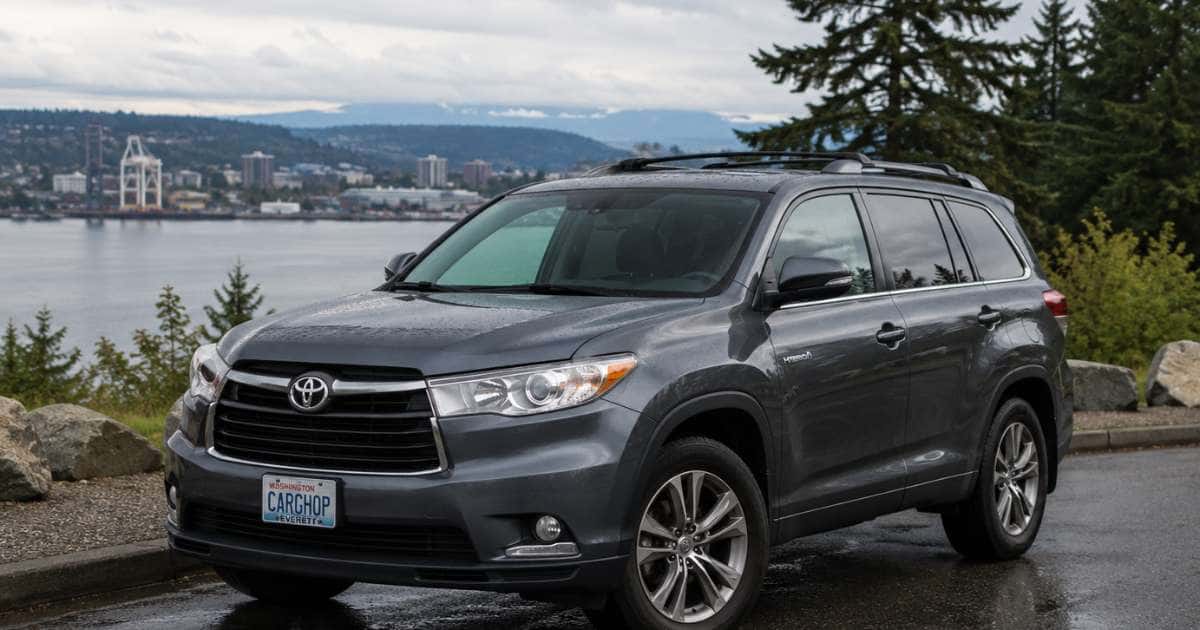
Plan Before You Drive
Arriving prepared saves time, money, and stress.
Understand Washington’s minimum requirements, compare the major coverage types, and include insurance costs in your vehicle budget before leaving the lot.
What Everett Used-Car Buyers Need to Know About Auto Insurance
Auto insurance protects you from costs that most people simply cannot afford to pay out of pocket after an accident. For used-car buyers especially, getting clear on coverage options before you shop helps you budget accurately and avoid unpleasant surprises.
Everett’s specific conditions matter here too. Local traffic patterns, Pacific Northwest weather, and the realities of driving in Snohomish County all influence what kind of coverage makes sense for you. Whether you are a first-time car owner or upgrading from an older vehicle, understanding your insurance options is just as important as choosing the right car.
Washington State Minimum Auto Insurance Requirements
Washington State sets clear legal minimums for auto insurance, and every driver on the road must meet them. Knowing exactly what the law requires gives you a solid foundation before you start building a policy.
The 25/50/10 Rule: What the Law Actually Requires
Washington mandates what is commonly called the 25/50/10 rule. Your policy must carry at least $25,000 in bodily injury coverage per person, $50,000 per accident, and $10,000 for property damage. These minimums exist to ensure that every driver can cover basic costs if they cause an accident. Meeting the bare minimum doesn’t always mean you are fully protected, though. Medical bills and repair costs frequently exceed those baseline figures, which is why many Everett drivers choose higher limits.
Coverages Insurers Must Offer: PIP and Uninsured Motorist
Washington law requires that insurance companies offer two additional types of coverage with every policy: Personal Injury Protection (PIP) and Uninsured Motorist (UM) coverage. Insurers must include both in your policy, though you can decline either one in writing.
PIP covers your medical expenses after an accident regardless of who caused it, while UM coverage steps in when the other driver has no insurance at all. Both offer meaningful protection worth understanding before you finalize any policy.
Current-law resource: Insurance requirements and policy rules can change. Review the latest information from the Washington State Office of the Insurance Commissioner or speak with a licensed insurance professional before choosing coverage.
Breaking Down the Core Coverage Types
Auto insurance is several distinct coverage types bundled together, each protecting you in a different situation. The table below gives you a quick overview before we dig into each one.
| Coverage Type | What It Covers | Required in WA? | Recommended for Used Cars? | Good for Bad-Credit Buyers? |
|---|---|---|---|---|
| Liability | Injuries and property damage you cause to others | Yes | Yes | Yes |
| PIP | Your medical costs and passengers’, regardless of fault | No (written waiver to decline) | Yes | Yes |
| UM/UIM | Your costs when the at-fault driver is uninsured or underinsured | No (written waiver to decline) | Yes | Yes |
| Collision | Damage to your vehicle after a crash, regardless of fault | No | Depends on car value | If you can’t replace the car easily |
| Comprehensive | Non-collision losses: theft, vandalism, flooding, hitting an animal | No | Depends on car value | If you can’t replace the car easily |
Liability Coverage: Your Legal and Financial Foundation
Liability coverage is the foundation of any auto insurance policy. It covers costs you become legally responsible for when you cause an accident, including injuries to other people and damage to their property. In Washington, liability coverage is not optional.
If you are found at fault in a collision without it, you face fines, license suspension, and the full financial burden of any damages. Having solid liability limits protects both your wallet and your ability to stay on the road legally.
Collision and Comprehensive: Worth It on a Used Car?
These two coverage types often spark debate among used-car owners. Collision coverage pays for damage to your car after an accident, regardless of fault. Comprehensive covers losses from events outside your control, including theft, vandalism, falling trees, or flooding.
A practical rule of thumb: if your combined annual premium for collision and comprehensive exceeds 10% of your car’s actual cash value, the math may not favor carrying both. At that point, you could be paying more in premiums each year than you would realistically recover from a claim on a lower-value vehicle.
On the other hand, if you depend on your car daily and couldn’t replace it quickly after a total loss, that protection is worth more to you regardless of the numbers. A local insurance agent can help you pull your car’s current value and compare it against quoted premiums to make a concrete call.
Personal Injury Protection and Uninsured Motorist Coverage Explained
PIP and UM coverage protect you and your passengers rather than the other party. PIP covers medical bills, lost wages, and some rehabilitation costs after an accident, no matter who was at fault. This is especially useful when your health insurance has high deductibles or gaps in coverage.
UM coverage protects you when you are hit by a driver who has no insurance or not enough to cover your damages. Given that not every driver on the road carries adequate coverage, this adds a real layer of security. Both are worth serious consideration, particularly if you drive frequently in high-traffic areas around Snohomish County.
Understanding Deductibles and How They Affect Your Premium
Your deductible is the amount you agree to pay out of pocket before your auto insurance kicks in after a claim. A higher deductible lowers your monthly premium because you are taking on more of the financial risk yourself. A lower deductible means your insurer covers more from the start, but your monthly payments will be higher.
Higher Deductible
Lower monthly premium, but more money due from you when a covered claim occurs.
Lower Deductible
Higher monthly premium, but a smaller immediate out-of-pocket expense after a covered claim.
For used-car buyers on a tighter budget, a higher deductible can make insurance more affordable month to month. Think about how much repair cost you could comfortably absorb if something happened tomorrow. A $1,000 repair bill that would strain your finances points toward a lower deductible, even if your monthly premium runs a bit higher. If you have some savings to draw on, a higher deductible may be the smarter trade-off. Set your deductible at a number you could realistically cover within a few weeks and balance that against your monthly budget before locking in a policy.
If you have questions about budgeting for both a car payment and insurance, reach out to our team and we are happy to point you in the right direction.
Plan Your Vehicle and Insurance Budget Together
Compare current used vehicles by body style and price range before requesting insurance quotes for the models that fit your needs.
How Everett’s Roads and Weather Shape Your Coverage Needs
Everett’s geography and climate create driving conditions that directly influence what kind of coverage makes the most sense. The Pacific Northwest is not just rainy by reputation. It delivers sustained wet seasons that change road dynamics significantly for months at a time.
Wet Conditions, Traffic, and Collision Risk in Snohomish County
Rain-slicked roads reduce traction and increase stopping distances, which is why collision claims tend to rise during wet seasons in areas like Snohomish County. Everett also sits at the intersection of several major commuter corridors, so traffic volume stays high throughout the day. More cars on the road in difficult weather conditions means a higher statistical chance of being involved in an accident, even if you are a careful driver.
These local realities make a strong case for carrying collision coverage on your used car, especially if you commute regularly on I-5 or Highway 2. Comprehensive coverage also becomes more relevant given that storms can bring downed trees and localized flooding. A local agent familiar with Everett’s regional risk factors can help you weigh which coverages are worth adding to your baseline policy.
Why Proof of Insurance Matters Every Time You Drive
Carrying proof of insurance is a legal requirement in Washington, and law enforcement can ask for it during any traffic stop or after any accident. Driving without it exposes you to fines and potential suspension of your vehicle registration. Washington allows drivers to carry digital proof on their phones, so there is little excuse for being caught without it.
Beyond the legal side, having documentation ready protects you during any roadside interaction. If you’re involved in an accident, exchanging insurance information accurately and quickly helps the claims process move forward without complications.
Tips for Finding Affordable Auto Insurance in Everett, WA
Affordable auto insurance in Everett is achievable if you approach the search strategically. Comparing quotes from multiple providers is the most effective place to start. Rates can vary significantly between insurers for the exact same coverage, so shopping around is essential.
Working with a local independent agent who knows the Everett area can surface discounts and policy structures that online-only searches sometimes miss. Agents who work with multiple carriers can compare rates on your behalf and save you real time in the process.
Potential Ways to Reduce Your Premium
- ✓ Complete a defensive driving course
- ✓ Bundle auto and renters or homeowners insurance
- ✓ Maintain a clean driving record
- ✓ Set up automatic payments
- ✓ Provide an accurate annual mileage estimate
- ✓ Review coverage as the vehicle depreciates
There are also several practical ways to reduce your premium regardless of which insurer you choose. Many offer discounts for completing a defensive driving course, bundling your auto policy with renters or homeowners insurance, maintaining a clean driving record, or setting up automatic payments. If you’re insuring a used car, providing accurate mileage estimates matters too, since lower annual mileage can qualify you for better rates.
Reviewing your coverage annually also helps. As your used car depreciates, the case for carrying collision and comprehensive may weaken, and adjusting your deductible or dropping certain coverage types could reduce your costs without leaving you underprotected. Some buyers with special credit situations, including those who may need an SR-22 filing, have additional considerations when shopping for coverage. If that applies to you, contact us and we can help connect you with the right resources.
More Used-Car Planning Resources
Shop Used Cars in Everett and Get Pre-Approved Today
Once you have a handle on your insurance needs, the next step is finding the right vehicle. Shop used cars in Everett and see what’s available at CarHop of Everett, where our inventory and financing are built around buyers with poor credit, no credit, or special credit circumstances.
Getting pre-approved before you start shopping removes a lot of the uncertainty from the process. You walk in knowing what you can afford, which lets you focus entirely on finding a vehicle that fits your lifestyle and budget. Knowing your insurance requirements ahead of time makes the transition even smoother, so coverage is active the moment you drive off the lot.
To get started, visit our contact page or call (425) 348-9100. Our team is available Monday through Friday from 10 AM to 6 PM and Saturday from 10 AM to 5 PM.
CarHop of Everett
8821 Evergreen Way, Everett, WA 98208
Monday–Friday: 10 AM–6 PM | Saturday: 10 AM–5 PM
(425) 348-9100
Frequently Asked Questions About Auto Insurance in Everett, WA
What are Washington State’s minimum auto insurance requirements?
Washington requires at least $25,000 in bodily injury liability coverage per person, $50,000 per accident, and $10,000 in property damage liability coverage.
Are PIP and uninsured motorist coverage required in Washington?
Insurance companies must offer Personal Injury Protection and uninsured or underinsured motorist coverage. A policyholder may decline either coverage in writing.
Is collision and comprehensive coverage worth carrying on a used car?
It depends on the vehicle’s current value, the quoted premiums, your deductible, and whether you could afford to repair or replace the vehicle after a major loss.
How does an auto insurance deductible affect my premium?
A higher deductible generally lowers the monthly premium because you accept more financial responsibility after a claim. A lower deductible generally raises the monthly premium but reduces the amount you must pay before coverage applies.
How can Everett drivers look for more affordable auto insurance?
Compare quotes from several insurers, ask about available discounts, provide accurate mileage estimates, consider bundling policies, review deductible options, and reevaluate coverage as the vehicle’s value changes.
Should I arrange insurance before buying a used vehicle?
You should understand your coverage needs and be prepared to activate the required policy before driving the vehicle away. Requesting quotes for the specific vehicle you are considering can also help you estimate its total ownership cost.
Ready to compare used vehicles?
Review current inventory and begin planning your vehicle, financing, and insurance budget.
Disclaimer: CarHop of Everett is not an insurance agency and does not provide insurance, legal, or financial advice. Coverage requirements, policy terms, premiums, discounts, deductibles, exclusions, and eligibility vary by insurer and may change. Consult a licensed insurance professional and verify current Washington requirements before purchasing or modifying coverage. Financing approval, rates, and terms are subject to application review and individual eligibility and are not guaranteed.
0 comment(s) so far on Auto Insurance for Your Used Car in Everett, WA